

MAXIMISING EFFICIENCY AND COMPLIANCE: HOW FMS UK GROUP SUPPORTS PROPERTY MANAGERS AND BUSINESSES
MAXIMISING EFFICIENCY AND COMPLIANCE: HOW FMS UK GROUP SUPPORTS PROPERTY MANAGERS AND BUSINESSES
Managing properties and business facilities is no small feat. From ensuring smooth daily operations to meeting stringent compliance requirements, property managers and business owners have a lot on their plate. At FMS UK Group, we provide a comprehensive range of maintenance services designed to keep your buildings in peak condition, prevent costly disruptions, and guarantee regulatory compliance. Our preventative maintenance and reactive maintenance solutions give you peace of mind, knowing your facilities are in expert hands and the jobs is done right first time.
Preventative Maintenance: A Proactive Approach
Waiting for something to go wrong before taking action can lead to costly repairs, business disruptions, and even legal complications. That’s why our preventative maintenance services are designed to detect and address potential issues before they escalate.
We offer:
- Planned Maintenance Inspections – Regular servicing of electrical, plumbing, HVAC, and fire safety systems to ensure optimal performance.
- Compliance Checks – Routine assessments to ensure adherence to UK building and safety regulations.
- Condition Monitoring – Using advanced technology to track wear and tear, allowing for timely interventions.
By implementing a structured maintenance plan, businesses can significantly reduce emergency repair costs and enhance operational efficiency.
Reactive Maintenance: Fast and Effective Solutions
Despite the best preventative measures, unexpected issues can still arise. When they do, FMS UK Group is ready to respond swiftly to minimise disruption and restore normal operations as quickly as possible.
Our reactive maintenance services include:
- 24/7 Emergency Repairs – Rapid response teams to handle urgent issues such as leaks, electrical failures, and structural damage.
- On-Demand Maintenance – Skilled engineers available for immediate fixes to mitigate potential risks.
- Fault Diagnosis & Resolution – Expert problem-solving to prevent recurring issues and enhance long-term reliability.
With our quick response times and experienced team, businesses can trust us to resolve problems efficiently, ensuring safety and continuity.
Keeping You Compliant and Hassle-Free
Non-compliance with health and safety or building regulations can lead to severe financial penalties and reputational damage. FMS UK Group takes the burden off property managers and business owners by ensuring all maintenance tasks align with industry standards.
We help with:
- Fire Safety & Emergency Lighting Compliance
- Gas Safety Inspections
- Electrical Testing & Certification
- Health & Safety Audits
By partnering with us, you can focus on running your business while we handle the complexities of regulatory compliance.
Partner with FMS UK Group Today
Efficiency, compliance, and reliability are at the core of our maintenance services. Whether you’re looking for a strategic preventative maintenance plan or require immediate reactive support, FMS UK Group can help you, our business is about caring for yours – plus were pretty good at it too!
Get in touch with us today to learn how we can help streamline your operations and keep your business running smoothly.
MORE FMS BUILDING MAINTENANCE KNOWLEDGE HUB ARTICLES

MAXIMISING EFFICIENCY AND COMPLIANCE: HOW FMS UK GROUP SUPPORTS PROPERTY MANAGERS AND BUSINESSES
As the holiday season approaches, property and facilities managers face a unique set of challenges…

ENSURING YOUR PROPERTIES ARE WINTER-READY – THE ESSENTIAL MAINTENANCE CHECKLIST FOR THE COLDER MONTHS
As the holiday season approaches, property and facilities managers face a unique set of challenges…

THE IMPORTANCE OF EARLY HEATING CHECKS FOR PROPERTY MANAGERS
As winter approaches, it's time to start thinking about your building's heating systems. At FMS-UK…

PREVENTATIVE VS. REACTIVE MAINTENANCE: MAKING THE RIGHT CHOICE FOR YOUR PROPERTY
In the world of property and facilities management, the debate between preventive and reactive…


ENSURING YOUR PROPERTIES ARE WINTER-READY - THE ESSENTIAL MAINTENANCE CHECKLIST FOR THE COLDER MONTHS
ENSURING YOUR PROPERTIES ARE WINTER-READY - THE ESSENTIAL MAINTENANCE CHECKLIST FOR THE FESTIVE SEASON
As winter sets in and temperatures continue to drop, property and facilities managers face a unique set of challenges to ensure sites and buildings remain safe, warm, and fully operational. A proactive approach to property maintenance during the colder months not only keeps occupants comfortable but also helps prevent costly breakdowns, weather-related damage, and emergency callouts. Let’s explore the key maintenance areas to prioritise as the winter season and cold conditions take hold.
Why Winter Season Maintenance is Essential
During the winter months, many properties experience increased strain as colder temperatures, shorter daylight hours, and higher heating demands place added pressure on building systems. Cold weather can quickly expose underlying issues if properties aren’t properly prepared. By carrying out preventative maintenance early, you can reduce the risk of unexpected breakdowns, minimise safety concerns, and ensure your buildings remain comfortable, efficient, and operational throughout the colder period.
Key Benefits of Winter Maintenance:
- Enhanced Safety: Routine checks ensure systems are secure and compliant with safety regulations, reducing the risk of accidents.
- Comfort and Convenience: Well-maintained heating and ventilation systems keep spaces comfortable during colder months.
- Cost Savings: Preventive maintenance helps you avoid costly emergency repairs and downtime during winter and colder periods.
- Smoother Operations: Fewer breakdowns lead to more efficient, reliable property operations for tenants, employees, and guests.
Winter Season Maintenance Checklist
Here are the essential areas to focus on when preparing your properties for the colder months:
- Heating and HVAC Systems:
Inspect and service all heating units to ensure optimal performance during cold weather. This includes checking filters, thermostats, and air ducts for efficient temperature control and air quality. - Electrical Systems and Lighting:
Make sure all lighting, both indoor and outdoor, is functioning properly, especially with shorter daylight hours. Check for any loose connections or potential electrical issues, which are essential for both safety and energy efficiency. - Plumbing and Drainage:
Winter can be harsh on pipes and plumbing systems. Inspect pipes for any leaks, ensure they’re insulated where needed, and clear drains and gutters of debris to prevent flooding and water damage. - Entryways and Parking Lots:
Pay special attention to entrances, walkways, and parking lots. Ensure they’re clear of obstacles, well-lit, and ready for possible ice and snow. Stock up on de-icing materials and schedule regular cleanups to keep these areas safe. - Safety and Fire Systems:
Check fire alarms, emergency lighting, and other safety systems to ensure they’re fully functional. The holiday season often sees an increase in electrical usage, so it’s critical to ensure these systems are in top condition.
Planning Ahead to Minimise Disruptions
A proactive maintenance plan is especially beneficial during this busy season. By scheduling routine checks and necessary repairs in November or early December, you can tackle potential issues before the winter rush hits. Working with a trusted facilities management provider can streamline this process, ensuring your properties remain safe, comfortable, and compliant beforehand.
Partner with FMS UK Group for a Stress-Free Festive Season
At FMS UK Group, we understand the demands of property and facilities management during the winter months. Our team provides comprehensive seasonal maintenance services tailored to keep your properties fully functional and efficient. From HVAC servicing to emergency repairs, we’re here to support you every step of the way, giving you peace of mind as the colder months approach.
MORE FMS BUILDING MAINTENANCE KNOWLEDGE HUB ARTICLES
MAXIMISING EFFICIENCY AND COMPLIANCE: HOW FMS UK GROUP SUPPORTS PROPERTY MANAGERS AND BUSINESSES
As the holiday season approaches, property and facilities managers face a unique set of challenges…
ENSURING YOUR PROPERTIES ARE WINTER-READY – THE ESSENTIAL MAINTENANCE CHECKLIST FOR THE COLDER MONTHS
As the holiday season approaches, property and facilities managers face a unique set of challenges…
THE IMPORTANCE OF EARLY HEATING CHECKS FOR PROPERTY MANAGERS
As winter approaches, it's time to start thinking about your building's heating systems. At FMS-UK…
PREVENTATIVE VS. REACTIVE MAINTENANCE: MAKING THE RIGHT CHOICE FOR YOUR PROPERTY
In the world of property and facilities management, the debate between preventive and reactive…
THE IMPORTANCE OF EARLY HEATING CHECKS FOR PROPERTY MANAGERS
GET AHEAD OF WINTER: THE IMPORTANCE OF EARLY HEATING CHECKS FOR PROPERTY MANAGERS
As winter approaches, it’s time to start thinking about your building’s heating systems. At FMS-UK Group, we know that early preparation is key to ensuring a warm, safe, and compliant environment for your occupants. Let’s explore why scheduling heating checks in advance of winter is not just a good idea – it’s essential to ensure your properties remain operational.
Ensure Compliance with UK Legislation
In the UK, property managers must comply with several regulations related to heating systems. The Gas Safety (Installation and Use) Regulations 1998 require that all gas appliances, pipework, and flues are maintained in a safe condition. Annual gas safety checks are mandatory, and failing to comply can result in significant penalties, including fines or imprisonment. By conducting these checks early, you can ensure compliance and avoid last-minute rushes or legal issues.
Prevent System Failures During Peak Season
Winter is the time when heating systems are under the most strain. Identifying and addressing issues during the summer or early autumn ensures that your heating systems are fully operational before the cold weather sets in. This proactive approach minimizes the risk of system failures, which can lead to emergency repairs, tenant discomfort, and potentially costly downtime.
Mitigate Health and Safety Risks
A well-maintained heating system is crucial for the health and safety of your occupants. Faulty boilers or gas leaks can lead to serious risks, including carbon monoxide poisoning. Early checks allow you to detect and resolve any potential hazards, ensuring that your building remains a safe environment for everyone.
Optimise Energy Efficiency and Reduce Costs
Early heating checks give you the opportunity to optimize your systems for better energy efficiency. By ensuring your boilers and heating systems are running efficiently, you can reduce energy consumption and lower utility bills during the winter months. Additionally, addressing issues before peak season can help avoid inflated costs associated with emergency repairs and replacements.
Avoid Tenant Disputes and Maintain Satisfaction
Tenant satisfaction is closely linked to their comfort and safety. A malfunctioning heating system during the coldest months can lead to complaints, disputes, and even legal actions. By conducting heating checks early, you demonstrate your commitment to tenant well-being and maintain positive relationships.
Important Legislation to Remember:
- Gas Safety (Installation and Use) Regulations 1998: Requires annual gas safety checks by a registered engineer.
- The Energy Efficiency (Private Rented Property) (England and Wales) Regulations 2015: Ensure that heating systems contribute to meeting minimum energy efficiency standards.
The Potential Risks of Not Getting Heating Checks Done Early:
- Legal penalties for non-compliance
- System failures leading to emergency repairs
- Health risks, including carbon monoxide exposure
- Increased energy costs due to inefficient systems
- Tenant dissatisfaction and potential disputes
At FMS-UK Group, we’re committed to helping property managers stay ahead of the curve. Don’t wait until the last minute – schedule your heating system checks now to ensure a warm, safe, and compliant winter season. Need expert assistance? Contact us today for comprehensive facilities management solutions tailored to your needs. Let’s make this winter worry-free!
MORE FMS BUILDING MAINTENANCE KNOWLEDGE HUB ARTICLES
MAXIMISING EFFICIENCY AND COMPLIANCE: HOW FMS UK GROUP SUPPORTS PROPERTY MANAGERS AND BUSINESSES
As the holiday season approaches, property and facilities managers face a unique set of challenges…
ENSURING YOUR PROPERTIES ARE WINTER-READY – THE ESSENTIAL MAINTENANCE CHECKLIST FOR THE COLDER MONTHS
As the holiday season approaches, property and facilities managers face a unique set of challenges…
THE IMPORTANCE OF EARLY HEATING CHECKS FOR PROPERTY MANAGERS
As winter approaches, it's time to start thinking about your building's heating systems. At FMS-UK…
PREVENTATIVE VS. REACTIVE MAINTENANCE: MAKING THE RIGHT CHOICE FOR YOUR PROPERTY
In the world of property and facilities management, the debate between preventive and reactive…

PREVENTATIVE VS. REACTIVE MAINTENANCE: MAKING THE RIGHT CHOICE FOR YOUR PROPERTY
PREVENTATIVE VS. REACTIVE MAINTENANCE: MAKING THE RIGHT CHOICE FOR YOUR PROPERTY TO ENSURE IT STAYS OPERATIONAL
In the world of property and facilities management, the debate between preventative and reactive maintenance is ongoing. Each approach has its unique advantages and challenges, and understanding these can help you make informed decisions for the properties you manage. Let’s dive into the differences between preventative and reactive maintenance and explore the pros and cons of each.
Understanding Preventative Maintenance
Preventatiive maintenance involves regular, planned maintenance activities aimed at preventing breakdowns and failures. This approach is proactive, focusing on routine inspections, servicing, and repairs to keep systems and equipment in optimal working condition.
Pros of Preventative Maintenance:
- Increased Lifespan of Assets: Regular maintenance can extend the life of equipment and infrastructure, delaying the need for costly replacements.
- Cost Savings: Although there are upfront costs, preventative maintenance can reduce the frequency and severity of unexpected repairs, ultimately saving money.
- Improved Safety: Routine inspections and maintenance help identify potential safety hazards before they become critical issues.
- Enhanced Performance: Well-maintained systems operate more efficiently, reducing energy consumption and operational costs.
Cons of Preventative Maintenance:
- Higher Initial Costs: Implementing a preventiatve maintenance program requires an initial investment in time, resources, and manpower.
- Scheduling Challenges: Coordinating maintenance activities without disrupting regular operations can be challenging.
- Potential for Over-Maintenance: There is a risk of performing unnecessary maintenance if intervals are not accurately determined.
Understanding Reactive Maintenance
Reactive maintenance, or “run-to-failure” maintenance, involves addressing equipment and system issues as they arise. This approach is typically unplanned and occurs in response to equipment breakdowns or failures.
Pros of Reactive Maintenance:
- Lower Initial Costs: There are no upfront costs for regular maintenance schedules, making it seemingly more cost-effective in the short term.
- Simplicity: Without the need for scheduling and planning, reactive maintenance is straightforward and less resource-intensive in the beginning.
- Immediate Response: Maintenance activities are only carried out when necessary, potentially saving time on unnecessary inspections.
Cons of Reactive Maintenance:
- Increased Downtime: Unexpected breakdowns can lead to significant downtime, disrupting operations and causing inconvenience.
- Higher Long-Term Costs: Frequent emergency repairs and replacements can be more costly than planned maintenance over time.
- Safety Risks: Unplanned failures can result in unsafe conditions for occupants and staff, leading to potential liabilities.
- Inefficient Operations: Equipment failures can cause inefficiencies, impacting the overall performance and energy consumption of the property.
Which Approach is Right for You?
For property and facilities managers, the choice between preventive and reactive maintenance often depends on specific operational needs, budget constraints, and the critical nature of the systems in place.
Key Considerations:
- Budget: While preventive maintenance requires upfront investment, it can lead to long-term savings. Reactive maintenance may appear cheaper initially but can result in higher costs due to frequent repairs and downtime.
- Operational Impact: Consider the impact of downtime on your operations. Preventive maintenance can minimize unexpected disruptions, while reactive maintenance may lead to more frequent interruptions.
- Safety and Compliance: Ensure that your approach aligns with safety standards and regulatory compliance to protect occupants and staff.
Conclusion
Both preventative and reactive maintenance have their places in property and facilities management. A balanced approach that incorporates preventative strategies while being prepared for reactive responses can provide the best of both worlds, ensuring the longevity, efficiency, and safety of your properties. For more insights on maintenance strategies and best practices, follow FMS UK Group. Let’s keep your properties running smoothly and efficiently!
MORE FMS BUILDING MAINTENANCE KNOWLEDGE HUB ARTICLES
MAXIMISING EFFICIENCY AND COMPLIANCE: HOW FMS UK GROUP SUPPORTS PROPERTY MANAGERS AND BUSINESSES
As the holiday season approaches, property and facilities managers face a unique set of challenges…
ENSURING YOUR PROPERTIES ARE WINTER-READY – THE ESSENTIAL MAINTENANCE CHECKLIST FOR THE COLDER MONTHS
As the holiday season approaches, property and facilities managers face a unique set of challenges…
THE IMPORTANCE OF EARLY HEATING CHECKS FOR PROPERTY MANAGERS
As winter approaches, it's time to start thinking about your building's heating systems. At FMS-UK…
PREVENTATIVE VS. REACTIVE MAINTENANCE: MAKING THE RIGHT CHOICE FOR YOUR PROPERTY
In the world of property and facilities management, the debate between preventive and reactive…

THE CRUCIAL ROLE OF COMPLIANCE FOR FACILITIES AND PROPERTY MANAGERS IN THE UK
NAVIGATING COMPLIANCE & SAFETY - THE CRUCIAL ROLE OF COMPLIANCE FOR FACILITIES AND PROPERTY MANAGERS IN THE UK
In the realm of facilities and property management, compliance is not just a regulatory requirement; it is the cornerstone of operational integrity, safety, and efficiency. For facilities and property managers in the UK, maintaining compliance across various domains is essential to avoid legal repercussions, ensure tenant safety, and promote a productive working environment. However, the complexity and breadth of compliance requirements mean that key areas can often be overlooked. This blog will explore the significance of compliance, highlight critical areas of concern, and explain why partnering with an external facilities management company like FMS UK GROUP can be the best strategy to ensure comprehensive compliance.
THE IMPORTANCE OF COMPLIANCE
Compliance encompasses adhering to laws, regulations, standards, and internal policies that govern how facilities and properties should be managed. Here’s why it is crucial:
- Legal and Financial Implications: Non-compliance can lead to severe legal penalties, fines, and even the closure of facilities. Legal issues can tarnish the reputation of a business and lead to financial losses that could have been avoided with proper compliance.
- Safety and Well-being: Ensuring that buildings are compliant with health and safety regulations protects tenants, employees, and visitors from potential hazards. This includes fire safety, electrical safety, and structural integrity, all of which are paramount for preventing accidents and injuries.
- Operational Efficiency: Compliance ensures that facilities are maintained to a standard that supports operational efficiency. Well-maintained facilities reduce downtime, enhance productivity, and prolong the lifespan of building assets.
- Environmental Responsibility: Adhering to environmental regulations helps in managing waste, reducing carbon footprints, and promoting sustainable practices, which are increasingly becoming a focus for businesses worldwide.
KEY AREAS OF CONCERN
Despite the best efforts of facilities and property managers, certain areas often get overlooked. Here are some critical areas that require vigilant attention:
- Fire Safety: Regular checks and maintenance of fire alarms, sprinklers, and emergency exits are essential. However, documentation of these checks is often inadequate, which can lead to non-compliance during inspections.
- Legionella Control: Water systems must be regularly tested for Legionella bacteria to prevent Legionnaires’ disease. This requires meticulous monitoring and maintenance, which can be neglected in large facilities with complex water systems.
- Asbestos Management: Older buildings might contain asbestos, which poses serious health risks if not managed properly. Regular inspections and risk assessments are necessary but can be overlooked.
- Electrical Safety: Regular inspections and testing of electrical installations are mandated by law, yet it is common for these checks to be missed or inadequately documented.
- Accessibility: Ensuring facilities are accessible to people with disabilities is a legal requirement under the Equality Act 2010. This includes proper signage, ramps, lifts, and accessible toilets, which are sometimes inadequately maintained.
WHY USE AN EXTERNAL COMPANY FOR COMPLIANCE?
Given the complexity and critical nature of compliance, outsourcing this function to a specialist company like FMS UK GROUP can provide numerous advantages:
- Expertise and Knowledge: External companies have a deep understanding of regulatory requirements and stay updated with changes in legislation. This ensures that your facilities are always compliant with the latest standards.
- Comprehensive Audits: Professional auditors can conduct thorough assessments of your facilities, identifying any areas of non-compliance and providing actionable recommendations.
- Efficiency and Focus: Outsourcing compliance allows facilities managers to focus on their core responsibilities while experts handle the intricate details of compliance management.
- Reduced Risk: With professionals overseeing compliance, the risk of non-compliance and its associated penalties is significantly reduced. This provides peace of mind and financial security for the business.
- Documentation and Reporting: External companies ensure that all compliance activities are properly documented and reported, which is crucial during inspections and audits.
- Training and Support: They can provide training for your staff, ensuring that everyone is aware of compliance requirements and best practices.
CONCLUSION
For facilities and property managers in the UK, compliance is a non-negotiable aspect of their role that ensures safety, efficiency, and legal conformity. However, the multifaceted nature of compliance means that certain areas can be easily overlooked, leading to serious consequences. By partnering with an external company like FMS UK GROUP, managers can leverage expertise, ensure thorough compliance, and focus on their primary duties without the added burden of managing complex regulatory requirements. Investing in professional compliance management is not just a wise decision; it is a crucial step towards safeguarding the future of your facilities and the people who use them.
MORE FMS BUILDING MAINTENANCE KNOWLEDGE HUB ARTICLES
MAXIMISING EFFICIENCY AND COMPLIANCE: HOW FMS UK GROUP SUPPORTS PROPERTY MANAGERS AND BUSINESSES
As the holiday season approaches, property and facilities managers face a unique set of challenges…
ENSURING YOUR PROPERTIES ARE WINTER-READY – THE ESSENTIAL MAINTENANCE CHECKLIST FOR THE COLDER MONTHS
As the holiday season approaches, property and facilities managers face a unique set of challenges…
THE IMPORTANCE OF EARLY HEATING CHECKS FOR PROPERTY MANAGERS
As winter approaches, it's time to start thinking about your building's heating systems. At FMS-UK…
PREVENTATIVE VS. REACTIVE MAINTENANCE: MAKING THE RIGHT CHOICE FOR YOUR PROPERTY
In the world of property and facilities management, the debate between preventive and reactive…

THE SUMMER FACILITIES MANAGEMENT GUIDE FOR PROPERTY AND SITE MANAGERS
NAVIGATING WINTER - KEY ACTIONS FOR COMPLIANCE IN FACILITIES MANAGEMENT AND PREVENTIVE MAINTENANCE
Summer is almost here, and it’s time to ensure your facilities are well-prepared for the season and equally winter too. At FMS-UK Group, we understand the importance of proactive management during warmer months. Let’s explore the key issues and projects that should be on your radar this summer to maintain smooth operations and maximise efficiency.
1. HVAC System Maintenance
As temperatures rise, your HVAC systems will be working harder. Schedule regular maintenance to clean filters, check coolant levels, and inspect for any issues. Properly functioning HVAC systems ensure comfort for occupants and minimize energy waste.
2. Roof and Building Inspections
Take advantage of clear weather to conduct roof and building inspections. Look for signs of damage, such as cracked shingles or leaks. Addressing these issues now can prevent more significant problems during autumn rains and winter storms.
3. Grounds and Landscape Care
Maintain attractive grounds by mowing lawns, trimming bushes, and watering plants. Proper landscaping not only enhances curb appeal but also contributes to a safe and inviting environment for tenants and visitors.
4. Pest Control Measures
Warmer weather attracts pests like ants, mosquitoes, and rodents. Implement pest control measures to prevent infestations, such as sealing entry points and removing standing water sources.
5. Fire Safety Checks
Ensure fire safety equipment is in top condition. Test fire alarms, inspect extinguishers, and review evacuation plans. Educate staff and tenants about fire safety protocols to ensure preparedness.
6. Energy Efficiency Enhancements
Explore energy-saving initiatives to reduce utility costs and environmental impact. Consider upgrading to LED lighting, installing programmable thermostats, or improving insulation to optimize energy efficiency.
7. Emergency Preparedness Review
Review emergency response procedures and update contact lists. Ensure everyone knows their roles during emergencies and conduct drills to practice evacuation and safety protocols.
At FMS-UK Group, we’re dedicated to supporting property and site managers in maintaining efficient and well-maintained facilities. By addressing these summer projects and issues, you can enhance the overall quality and safety of your properties. Need assistance with facilities management? Contact our expert team for tailored solutions. Let’s make this summer a season of success for your facilities!
MORE FMS BUILDING MAINTENANCE KNOWLEDGE HUB ARTICLES
MAXIMISING EFFICIENCY AND COMPLIANCE: HOW FMS UK GROUP SUPPORTS PROPERTY MANAGERS AND BUSINESSES
As the holiday season approaches, property and facilities managers face a unique set of challenges…
ENSURING YOUR PROPERTIES ARE WINTER-READY – THE ESSENTIAL MAINTENANCE CHECKLIST FOR THE COLDER MONTHS
As the holiday season approaches, property and facilities managers face a unique set of challenges…
THE IMPORTANCE OF EARLY HEATING CHECKS FOR PROPERTY MANAGERS
As winter approaches, it's time to start thinking about your building's heating systems. At FMS-UK…
PREVENTATIVE VS. REACTIVE MAINTENANCE: MAKING THE RIGHT CHOICE FOR YOUR PROPERTY
In the world of property and facilities management, the debate between preventive and reactive…

NAVIGATING COMPLIANCE & SAFETY - 5 REASONS WHY ELECTRICAL COMPLIANCE MAINTENANCE MATTERS THIS SPRING AND SUMMER
NAVIGATING COMPLIANCE & SAFETY - 5 REASONS WHY ELECTRICAL COMPLIANCE MAINTENANCE MATTERS THIS SPRING AND SUMMER
As we bid farewell to the chilly winter months and welcome the warmth of spring and summer, it’s crucial for businesses to ensure that their facilities are not just ready for the change in weather, but also compliant with electrical safety standards. At FMS-UK Group, we understand the significance of electrical compliance-related maintenance, especially during this transition period. Here are five compelling reasons why prioritising electrical compliance maintenance is essential as we head into the brighter seasons.
Safety First, Always
With increased usage of electrical systems due to the warmer weather, the risk of electrical accidents escalates. Electrical compliance maintenance ensures that all systems are in optimal condition, minimizing the likelihood of electrical faults, short circuits, or even fires. Prioritizing safety not only protects employees, customers, and assets but also mitigates potential legal liabilities for your business.
Enhanced Efficiency
As temperatures rise, so does the demand for cooling systems, lighting, and other electrical appliances. By conducting regular compliance-related maintenance checks, you can identify and address inefficiencies in electrical systems promptly. This proactive approach not only prevents unexpected breakdowns but also optimizes energy usage, leading to cost savings in the long run.
Regulatory Compliance
Compliance with electrical safety regulations isn’t just a recommendation; it’s a legal requirement. Neglecting electrical compliance maintenance can result in fines, penalties, or even business closure in extreme cases. By staying up-to-date with maintenance schedules and certifications, you demonstrate your commitment to regulatory compliance, earning trust from stakeholders and avoiding potential legal repercussions.
Asset Protection
Your electrical infrastructure is a valuable asset that requires proper care and maintenance to prolong its lifespan. Neglecting compliance-related maintenance can lead to premature wear and tear, corrosion, and other forms of damage, ultimately reducing the longevity of your electrical assets. Investing in regular inspections and maintenance not only protects your investments but also ensures uninterrupted operations throughout the spring and summer months.
Reputation Management
In today’s interconnected world, news travels fast, especially when it involves safety lapses or incidents. A single electrical malfunction can tarnish your company’s reputation and erode customer trust. On the flip side, prioritizing electrical compliance maintenance showcases your commitment to quality, reliability, and professionalism. By proactively addressing potential risks, you reinforce your brand’s reputation as a responsible and trustworthy provider of facilities management services.
In conclusion, as we embrace the warmth and energy of spring and summer, let’s not overlook the importance of electrical compliance-related maintenance. At FMS-UK Group, we’re dedicated to helping businesses safeguard their facilities, assets, and reputation through comprehensive maintenance programs tailored to their specific needs. Contact us today to ensure your electrical systems are primed for a safe and seamless transition into the brighter seasons ahead. Stay safe, stay compliant, and let’s power up for success together!
MORE FMS BUILDING MAINTENANCE KNOWLEDGE HUB ARTICLES
MAXIMISING EFFICIENCY AND COMPLIANCE: HOW FMS UK GROUP SUPPORTS PROPERTY MANAGERS AND BUSINESSES
As the holiday season approaches, property and facilities managers face a unique set of challenges…
ENSURING YOUR PROPERTIES ARE WINTER-READY – THE ESSENTIAL MAINTENANCE CHECKLIST FOR THE COLDER MONTHS
As the holiday season approaches, property and facilities managers face a unique set of challenges…
THE IMPORTANCE OF EARLY HEATING CHECKS FOR PROPERTY MANAGERS
As winter approaches, it's time to start thinking about your building's heating systems. At FMS-UK…
PREVENTATIVE VS. REACTIVE MAINTENANCE: MAKING THE RIGHT CHOICE FOR YOUR PROPERTY
In the world of property and facilities management, the debate between preventive and reactive…
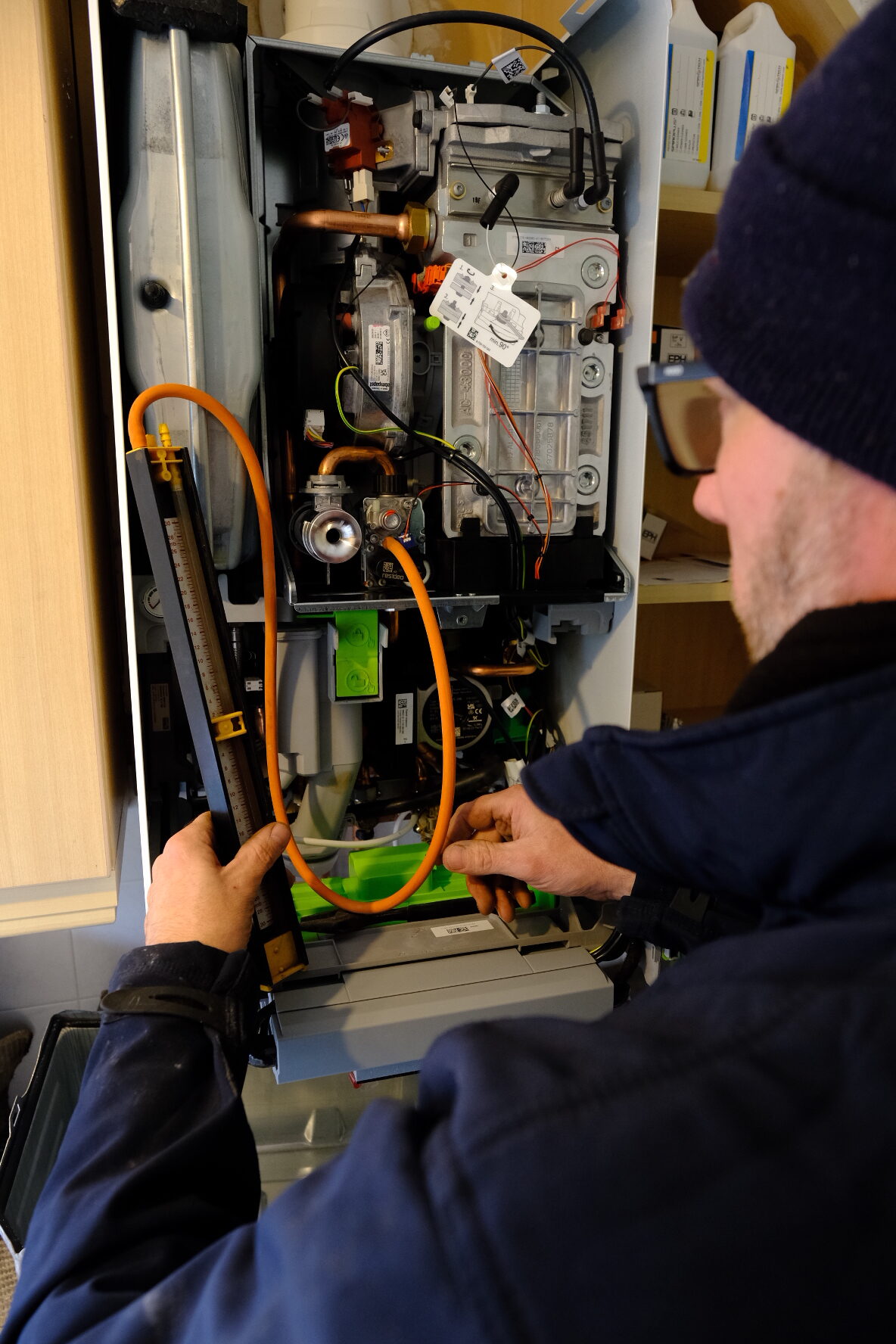
THE ART OF SWIFT SOLUTIONS: MAKING REACTIVE MAINTENANCE JOBS FOR PROPERTY MANAGERS EASIER
THE ART OF SWIFT SOLUTIONS: MAKING REACTIVE MAINTENANCE JOBS FOR PROPERTY MANAGERS EASIER
In the dynamic world of property management, challenges can arise at any moment. Reactive maintenance plays a crucial role in addressing unexpected issues promptly, ensuring the smooth operation of buildings and keeping occupants satisfied. In this article, we’ll explore essential reactive maintenance jobs that property managers should prioritise to maintain the integrity and functionality of their properties.
Emergency Plumbing Repairs
Leaky pipes, burst pipes, or plumbing emergencies can wreak havoc on a property. Quick responses to plumbing issues are essential to prevent water damage, mold growth, and inconvenience to tenants. Property managers should have reliable plumbing professionals on call to address emergencies swiftly.
Electrical System Repairs
Electrical problems pose not only a safety risk but also a disruption to daily activities. Reactive maintenance for electrical issues, such as power outages, faulty wiring, or malfunctioning outlets, is critical. Having a trusted electrician available for rapid response ensures the safety and comfort of occupants.
HVAC System Malfunctions
Heating, ventilation, and air conditioning (HVAC) systems are vital for maintaining comfortable indoor environments. Property managers should promptly address HVAC malfunctions to prevent temperature extremes, ensuring the well-being of tenants and safeguarding sensitive equipment.
Roof Repairs
A leaking roof can lead to extensive water damage and compromise the structural integrity of a building. Reactive maintenance for roof leaks is essential to prevent further damage and maintain the property’s value. Timely roof inspections and repairs are key components of effective property management.
Door and Window Repairs
Broken doors or windows compromise security and energy efficiency. Reactive maintenance for door and window repairs ensures that the property remains secure and weather-tight. This also contributes to the overall safety and comfort of tenants.
Pest Control
Pest infestations can escalate quickly, posing health risks and damaging property. Property managers should promptly address pest control issues by collaborating with professional exterminators. Proactive pest management not only preserves the property’s condition but also enhances the quality of life for occupants.
Elevator Malfunctions
For multi-story buildings, elevator malfunctions can be a significant inconvenience. Property managers should respond promptly to elevator breakdowns to minimize disruptions for tenants and visitors. Regular maintenance checks can also help identify potential issues before they escalate.
Security System Repairs
A malfunctioning security system compromises the safety of a property. Reactive maintenance for security systems, including surveillance cameras, alarms, and access control systems, is crucial to ensure that the property remains secure and protected.
Flooring and Carpentry Repairs
Damaged floors or carpentry not only affect the aesthetics of a property but also compromise safety. Reactive maintenance for flooring and carpentry issues, such as broken tiles, loose floorboards, or damaged trim, enhances the overall appearance and functionality of the property.
Exterior Maintenance
Maintaining the exterior of a property is essential for curb appeal and structural integrity. Property managers should promptly address issues such as damaged siding, paint deterioration, or sidewalk repairs to enhance the property’s visual appeal and longevity.
Conclusion
Reacting swiftly to maintenance issues is an art that property managers must master. By prioritizing essential reactive maintenance jobs, property managers can mitigate potential risks, maintain tenant satisfaction, and protect the overall value of the property. Proactive collaboration with skilled professionals in various fields ensures that properties under management remain safe, functional, and conducive to the well-being of their occupants. After all, in property management, a quick response is often the key to a happy and harmonious living or working environment. That’s where FMS Uk Group can help – we’re setup to be completely reactive and the work we then carry out becomes a preventative solution that helps reassure you that your property is being maintained and managed by a team who cares about you and your business. If you’d like to know more about the services we can support with then use the link below.
MORE FMS BUILDING MAINTENANCE KNOWLEDGE HUB ARTICLES
MAXIMISING EFFICIENCY AND COMPLIANCE: HOW FMS UK GROUP SUPPORTS PROPERTY MANAGERS AND BUSINESSES
As the holiday season approaches, property and facilities managers face a unique set of challenges…
ENSURING YOUR PROPERTIES ARE WINTER-READY – THE ESSENTIAL MAINTENANCE CHECKLIST FOR THE COLDER MONTHS
As the holiday season approaches, property and facilities managers face a unique set of challenges…
THE IMPORTANCE OF EARLY HEATING CHECKS FOR PROPERTY MANAGERS
As winter approaches, it's time to start thinking about your building's heating systems. At FMS-UK…
PREVENTATIVE VS. REACTIVE MAINTENANCE: MAKING THE RIGHT CHOICE FOR YOUR PROPERTY
In the world of property and facilities management, the debate between preventive and reactive…
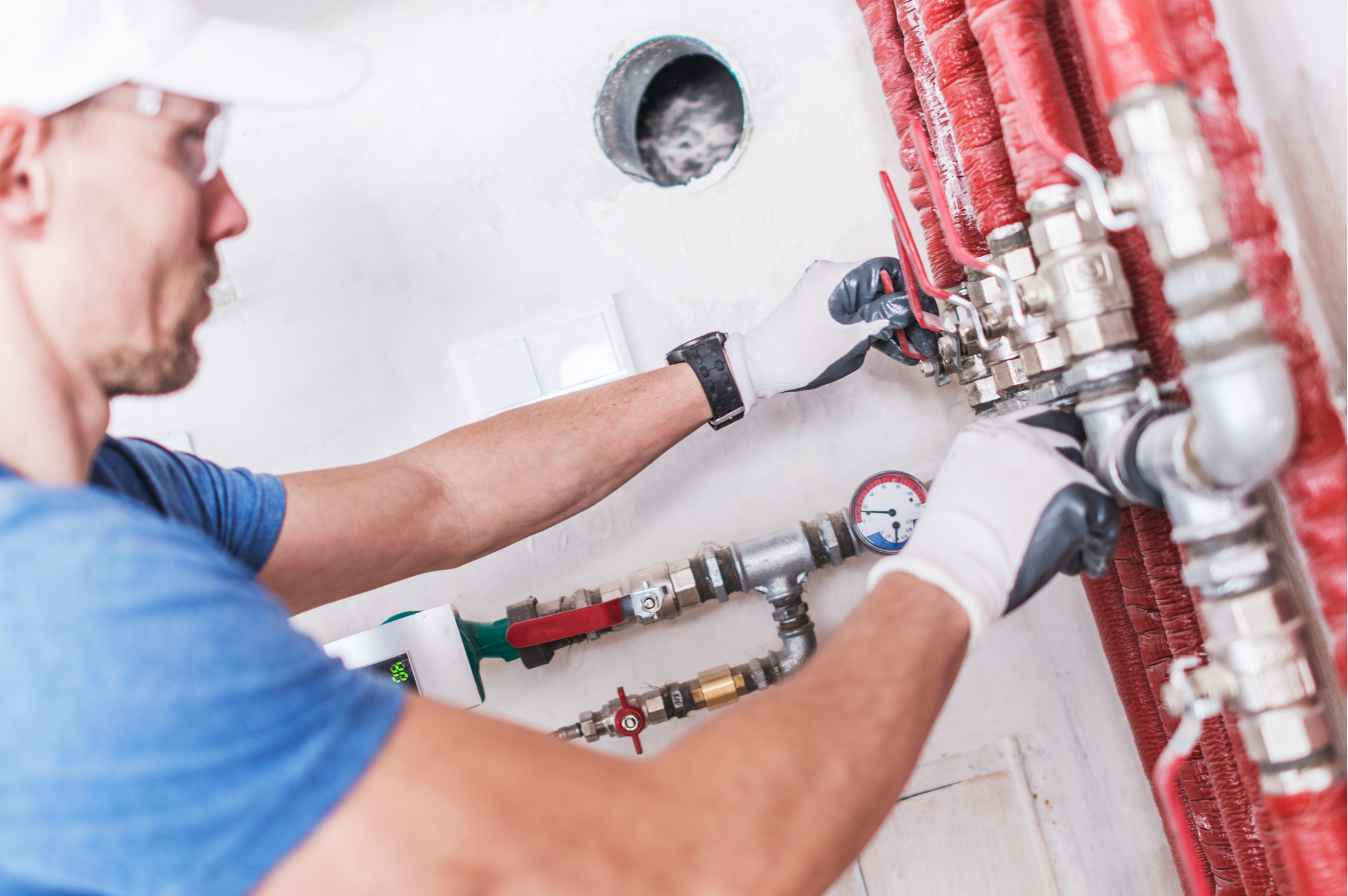
ENSURING GAS SAFE COMPLIANCE A CRUCIAL IMPERATIVE FOR OFFICES, BUILDINGS AND COMMERCIAL PROPERTIES
GAS SAFE COMPLIANCE - A CRUCIAL IMPERATIVE FOR OFFICES, BUILDINGS AND COMMERCIAL PROPERTIES, IT'S TIME TO REACT NOW!
In the world of commercial properties and offices, ensuring the safety and well-being of occupants is paramount. One critical aspect that often takes the spotlight is gas safety. From heating systems to kitchen appliances, many commercial spaces rely on gas for various functions. To guarantee the safety of employees, clients, and visitors, adherence to Gas Safe compliance standards is not just a legal requirement; it’s a fundamental responsibility. In this article, we’ll explore why Gas Safe compliance is crucial for offices and commercial properties.
Understanding Gas Safe Compliance
Gas Safe compliance refers to the adherence to safety regulations and standards set by the Gas Safe Register, the official list of gas engineers legally allowed to work on gas appliances. In the context of offices and commercial properties, Gas Safe compliance involves ensuring that all gas appliances and systems are installed, maintained, and operated safely.
The Legal Imperative
Meeting Gas Safe compliance isn’t just a best practice—it’s a legal obligation. The Health and Safety at Work Act 1974 and the Gas Safety (Installation and Use) Regulations 1998 outline the legal responsibilities of employers and property owners concerning gas safety in commercial premises. Failure to comply with these regulations can result in severe consequences, including fines, legal action, and, most importantly, the endangerment of lives.
Employee and Visitor Safety
The safety and well-being of employees and visitors should be the top priority for any business or commercial property owner. Gas appliances that are not properly maintained or installed pose significant risks, including gas leaks, carbon monoxide poisoning, and even the possibility of explosions. By ensuring Gas Safe compliance, property owners mitigate these risks, creating a secure environment for everyone within the premises.
Preventing Business Disruption
Gas-related incidents not only jeopardise the safety of occupants but can also lead to business disruption. Imagine the chaos caused by sudden evacuations, property closures, or even legal battles resulting from non-compliance. Regular Gas Safe inspections and maintenance help identify potential issues before they escalate, ensuring uninterrupted business operations.
Protecting Assets and Investments
Commercial properties are significant investments. Gas appliances, if not properly maintained, can lead to expensive repairs or replacements. Regular Gas Safe compliance checks help identify issues early, allowing property owners to address them promptly and avoid substantial financial losses.
Maintaining Reputation and Trust
For businesses, reputation is everything. News of safety incidents or legal violations can severely tarnish a company’s image. By visibly prioritizing Gas Safe compliance, businesses demonstrate a commitment to safety, earning the trust of employees, clients, and the wider community.
The Role of Professional Gas Engineers
To achieve and maintain Gas Safe compliance, it’s imperative to enlist the services of certified gas engineers. These professionals are trained to assess, install, and maintain gas appliances safely. Regular inspections by qualified engineers ensure that gas systems meet the required standards, providing peace of mind for property owners and occupants alike.
Conclusion
In the realm of offices and commercial properties, Gas Safe compliance is not just a box to tick – it’s a pledge to prioritise safety. Beyond legal obligations, it’s a commitment to the well-being of those who inhabit and visit these spaces. By investing in regular inspections, maintenance, and the expertise of Gas Safe registered engineers, property owners uphold their responsibilities, protect their investments, and foster an environment of trust and security. After all, in the business world, safety is the foundation upon which success is built. Whether it’s reactive or planned maintenance, at FMS UK Group we have a team of Gas Safe engineers who are equipped to handle all your compliance related needs. So if you’d like to know more about the services we can support with then use the link below.
MORE FMS BUILDING MAINTENANCE KNOWLEDGE HUB ARTICLES
MAXIMISING EFFICIENCY AND COMPLIANCE: HOW FMS UK GROUP SUPPORTS PROPERTY MANAGERS AND BUSINESSES
As the holiday season approaches, property and facilities managers face a unique set of challenges…
ENSURING YOUR PROPERTIES ARE WINTER-READY – THE ESSENTIAL MAINTENANCE CHECKLIST FOR THE COLDER MONTHS
As the holiday season approaches, property and facilities managers face a unique set of challenges…
THE IMPORTANCE OF EARLY HEATING CHECKS FOR PROPERTY MANAGERS
As winter approaches, it's time to start thinking about your building's heating systems. At FMS-UK…
PREVENTATIVE VS. REACTIVE MAINTENANCE: MAKING THE RIGHT CHOICE FOR YOUR PROPERTY
In the world of property and facilities management, the debate between preventive and reactive…

KEY ACTIONS FOR COMPLIANCE IN FACILITIES MANAGEMENT AND PREVENTIVE MAINTENANCE THIS WINTER
NAVIGATING WINTER - KEY ACTIONS FOR COMPLIANCE IN FACILITIES MANAGEMENT AND PREVENTIVE MAINTENANCE
As the winter season approaches, facility managers face a unique set of challenges, from ensuring compliance with safety regulations to implementing preventive maintenance measures. At FMS UK Group, we understand the critical importance of maintaining facilities that are not only efficient but also compliant with industry standards. In this blog post, we’ll explore the key actions for winter facilities management and preventive maintenance to keep your facilities safe, operational, and in compliance with regulations.
Comprehensive Safety Inspections
Winter brings its own set of safety concerns, from icy walkways to potential snow accumulation on roofs. Conduct a thorough safety inspection of your facility, addressing any potential hazards. Ensure that emergency exits are clear, fire suppression systems are functional, and walkways are treated to prevent slips and falls.
HVAC System Inspection and Optimisation
Your heating, ventilation, and air conditioning (HVAC) system plays a crucial role in maintaining a comfortable and safe indoor environment. Schedule a comprehensive inspection to identify and address any issues before the winter chill sets in. Optimize the system for energy efficiency to reduce operational costs.
Roof and Gutter Maintenance
Snow and ice can place a significant load on roofs, potentially leading to structural issues. Inspect the roof for signs of damage and ensure that gutters and drainage systems are clear to prevent ice dams. Promptly address any leaks or vulnerabilities to avoid costly repairs later.
Winter-Ready Plumbing
Frozen pipes are a common issue during winter, leading to disruptions and potential water damage. Insulate exposed pipes, especially in unheated areas, and ensure that heating systems are adequate to prevent freezing. Educate staff on preventive measures such as keeping taps dripping during extremely cold temperatures.
Emergency Preparedness and Documentation
Review and update emergency response plans, taking into consideration winter-specific scenarios. Ensure that all emergency equipment is in good working order, and conduct drills to familiarize staff with winter emergency procedures. Keep documentation of these plans accessible to all relevant personnel.
Energy Efficiency Upgrades
Consider energy-efficient upgrades to lighting, insulation, and windows to reduce energy consumption and minimize environmental impact. These upgrades not only contribute to sustainability goals but can also result in cost savings over the long term.
Contract Management and Vendor Compliance
Review existing service contracts, especially those related to snow removal, heating systems, and emergency response. Ensure that vendors are compliant with safety regulations and have the necessary certifications. Verify that contact information and response times are up to date.
Staff Training and Awareness
Educate staff on winter safety protocols, including proper use of heating equipment, awareness of potential hazards, and emergency response procedures. Promote a culture of safety and encourage reporting of any issues promptly.
Conclusion
Winter facilities management and preventive maintenance are crucial components of ensuring a safe, compliant, and efficient workspace. At FMS UK Group, we prioritize the well-being of your facilities and occupants by implementing these key actions. By taking a proactive approach, we can navigate the winter season smoothly, ensuring your facilities are resilient and compliant. Contact FMS UK Group to discuss how our expertise can contribute to the success of your winter facilities management strategy.
If you need assistance with winter facilities management, consider partnering with FMS UK Group for expert guidance and support. Stay warm and stay prepared this winter season!
MORE FMS BUILDING MAINTENANCE KNOWLEDGE HUB ARTICLES
MAXIMISING EFFICIENCY AND COMPLIANCE: HOW FMS UK GROUP SUPPORTS PROPERTY MANAGERS AND BUSINESSES
As the holiday season approaches, property and facilities managers face a unique set of challenges…
ENSURING YOUR PROPERTIES ARE WINTER-READY – THE ESSENTIAL MAINTENANCE CHECKLIST FOR THE COLDER MONTHS
As the holiday season approaches, property and facilities managers face a unique set of challenges…
THE IMPORTANCE OF EARLY HEATING CHECKS FOR PROPERTY MANAGERS
As winter approaches, it's time to start thinking about your building's heating systems. At FMS-UK…
PREVENTATIVE VS. REACTIVE MAINTENANCE: MAKING THE RIGHT CHOICE FOR YOUR PROPERTY
In the world of property and facilities management, the debate between preventive and reactive…